Brick tenements and NYCHA towers stand over Third Avenue, with a market building still working under the Park Avenue tracks.
What East Harlem looks like
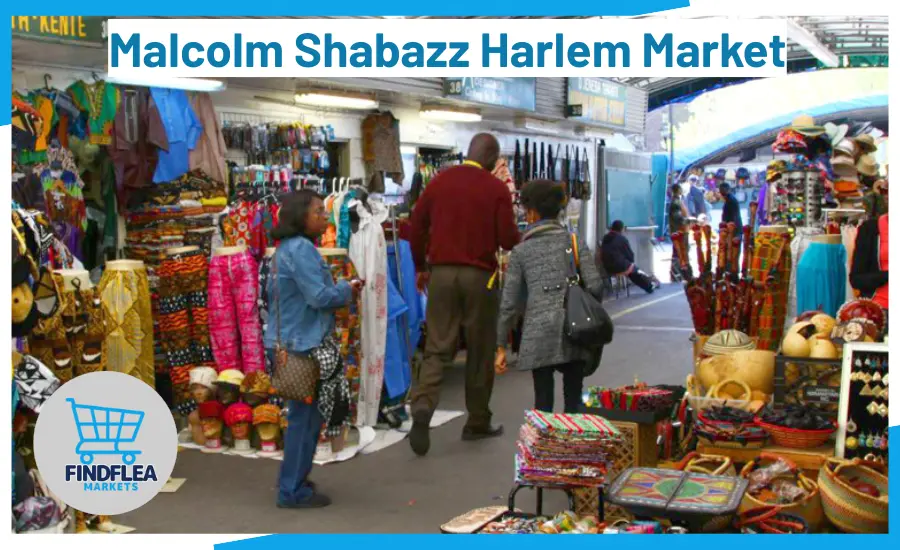
is the commercial spine, brick tenements and rowhouses running its length with fire escapes and roll down security gates over the storefronts. At 168 East 116th Street, has a red marquee with bilingual lettering, BBQ chicken and mofongo listed underneath. Two avenues over, the steel Metro-North viaduct carries trains above Park Avenue. 's enclosed market building runs beneath the tracks between 111th and 116th Streets, with roll down shutters lining its indoor corridor.
Public housing towers rise behind the tenement blocks, most fourteen to twenty storeys of brick over the surrounding roofs. , four thirty five storey towers at Third Avenue and East 122nd Street, opened in 1979.
East toward the river, Pleasant Avenue and First Avenue keep the neighborhood's Italian storefronts. has operated from the same address at Pleasant Avenue and East 114th Street since 1896. has run its coal oven a block over on First Avenue since 1933, its hand lettered sign still hanging over the sidewalk.
The East Harlem Historic District runs along East 111th through 120th Streets between Park and Pleasant Avenues, rowhouses and tenements a 2019 preservation survey found comparable in quality to the Lower East Side's better known blocks. 's running track sits at the district's eastern edge on Pleasant Avenue, tenement rooflines and fire escapes visible over its fence line.
Shot in East Harlem
Sidney Lumet's The Pawnbroker used a corner of Park Avenue near 116th Street for Sol Nazerman's pawn shop and the Radiant Bar, on a lot that has stood empty since at least 2000. Don Siegel's Madigan shot its precinct house at the real 28th Precinct station on East 104th Street, which the film calls the 23rd. Francis Ford Coppola sent Sonny Corleone to beat his brother-in-law Carlo at 118th Street and Pleasant Avenue for The Godfather.
East Harlem on screen
None of the three productions moved the neighborhood anywhere else. The Pawnbroker and Madigan used it as itself in a story set in New York, and The Godfather sent Sonny to a real corner a few blocks from Rao's.
Madigan, 1968
Madigan calls this building the 23rd Precinct and sends Richard Widmark's detective in and out its door. The real station house went up in 1892 and 1893 as the 28th Precinct. It has been Hope Community Hall, a housing nonprofit's offices, since 1981. Street View
The Godfather, 1972
Sonny Corleone beats Carlo at this corner before driving off toward the tollbooth ambush that kills him. The corner sits a few blocks from Rao's, at the eastern edge of the neighborhood's Italian enclave. Street View
Atwells Avenue is Providence's own Little Italy, second and third floor apartments over storefronts that have sold Italian food and wine since the neighborhood's own immigrant era. The street closes to cars for DePasquale Square, with the same hand painted signage Pleasant Avenue's own Italian block still keeps. Atwells Avenue's buildings run taller and more uniform than Pleasant Avenue's mixed row, so a tight storefront frame holds the match better than a full block view. Try searching hand painted signage storefronts now.
The Victorian brick arches under the railway into London Bridge hold market stalls the same way La Marqueta's building sits under the Metro-North tracks. Southwark Street runs along the outside edge for a wide establishing angle. Borough Market's arches run taller and wider than La Marqueta's steel trestle, so a tight frame on one stall front holds the comparison better than a wide shot. Try searching brick arches hold stalls now.
North Kensington in London, England
Trellick Tower is a thirty one storey Brutalist block finished in 1972 on Golborne Road, standing over the Victorian terraces that survived its own estate's clearance. The height jump between the tower and the terrace houses around it matches how Taino Towers rises over East Harlem's tenement blocks. Trellick Tower's board formed concrete reads rougher than Taino Towers' brick face, so a distant frame holding both in one shot works better than a close one. Try searching tower over terrace houses now.