Long rows of pale yellow brick rowhouses from the 1910s, and the corner The Irishman used as South Philadelphia.
What Ridgewood looks like
is the main commercial strip, and some of its storefront signs are older than the businesses behind them. The M train runs above at the Wyckoff end, and the blocks in between are mostly two and three family houses.
The rowhouses off date from the 1910s and are a pale yellow brick. Each block repeats a single design to the corner, so the same bay window and the same cornice run its whole length. The facades along these streets are almost unaltered. Stockholm Street between Onderdonk and Woodward still has its original brick roadway.
Farther from those rows the houses are smaller and more varied. on Summerfield Street near Fresh Pond Road sit behind low fences and chain link. Some have porches and small front yards. A few have religious statues set out front.
stands on Catalpa Avenue in the same yellow brick as the houses around it, with a stepped gable over its front. Catalpa runs east from there past the storefronts at Woodward.
Shot in Ridgewood
For The Irishman, the production turned the corner of into 1975 South Philadelphia. The bar and the grocery it built face each other across the same intersection.
The Irishman
Woodward and Catalpa. The production built both sides of the junction and shot them as one Philadelphia block.
The Irishman, 2019
The Friendly Lounge corner
Played The Friendly Lounge, South Philadelphia, Philadelphia, 1975
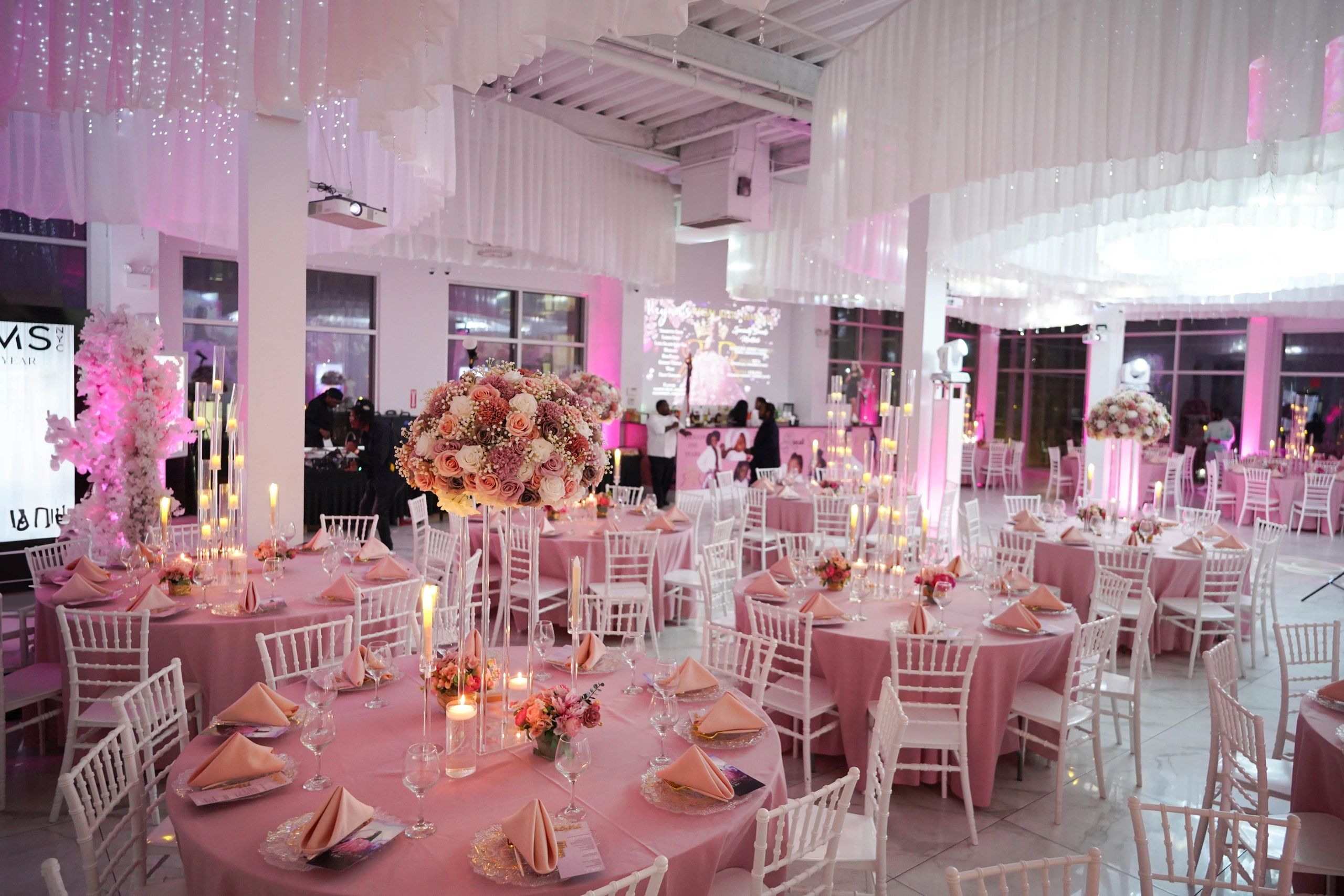
The bar where Frank meets Skinny Razor was created in an empty corner property at Woodward and Catalpa. The production dressed the storefronts to stand in for Philadelphia's Italian Market, including the signs and goods in the windows. St. Matthias, a block away on Catalpa, is where Frank's daughter is christened. Street View
The Irishman, 2019
Played a corner grocery, South Philadelphia, Philadelphia, 1975
The grocery where Frank crushes a shop owner's hand was built directly across the intersection. The scene plays out on this sidewalk. Both corners are ordinary storefronts again. Street View
The pale yellow brick and worker scale houses make Bay View one of the closer matches for the 1890s through the 1920s. Look around Kinnickinnic Avenue for cream city brick cottages and duplexes. The raised basements and rear alleys are different from Ridgewood, so tighter street level frames work best. Try searching cream city brick cottages now.
Yellow brick two-flats and projecting bays give the side streets off Milwaukee Avenue a similar scale, and most of them went up between the 1900s and the 1920s. Bucktown next door has the same blocks. Chicago's taller stoops and greystones distinguish it in wider views, as do the rear alleys. Try searching yellow brick two-flats now.
Letchworth, Hertfordshire
Some of the early cottage terraces have a similar scale, built in the early 1900s, the same decade as Ridgewood's rows. The landscaping and generally redder brick make this a looser match, better suited to tighter period frames. Try searching early cottage terraces now.