Block after block of red and brown brick Italianate tenements, and the corner Carol dressed as 1950s Manhattan.
What Over-the-Rhine looks like
Three and four storey brick blocks run corner to corner across Over-the-Rhine, red and brown brick fronts topped with pressed metal or carved stone cornices. Bay windows project over the sidewalks on some corners, and iron fire escapes zigzag up the fronts of others. West 13th and 14th Streets carry many of these blocks close to intact, storefronts at street level and apartments stacked above.
runs as the commercial spine through the middle of the district, its corners lined with brick storefronts under signs hung from the fronts, a few still lit with neon after dark. 's cast and wrought iron market house stands at the north end of Elder Street, its stalls open along covered aisles since 1855.
faces from Elm Street, a steeply gabled Venetian Gothic hall in patterned brick with a rose window over its entrance and carved stone trim across three connected halls. The park across from it is one of the few open green stretches in the neighborhood.
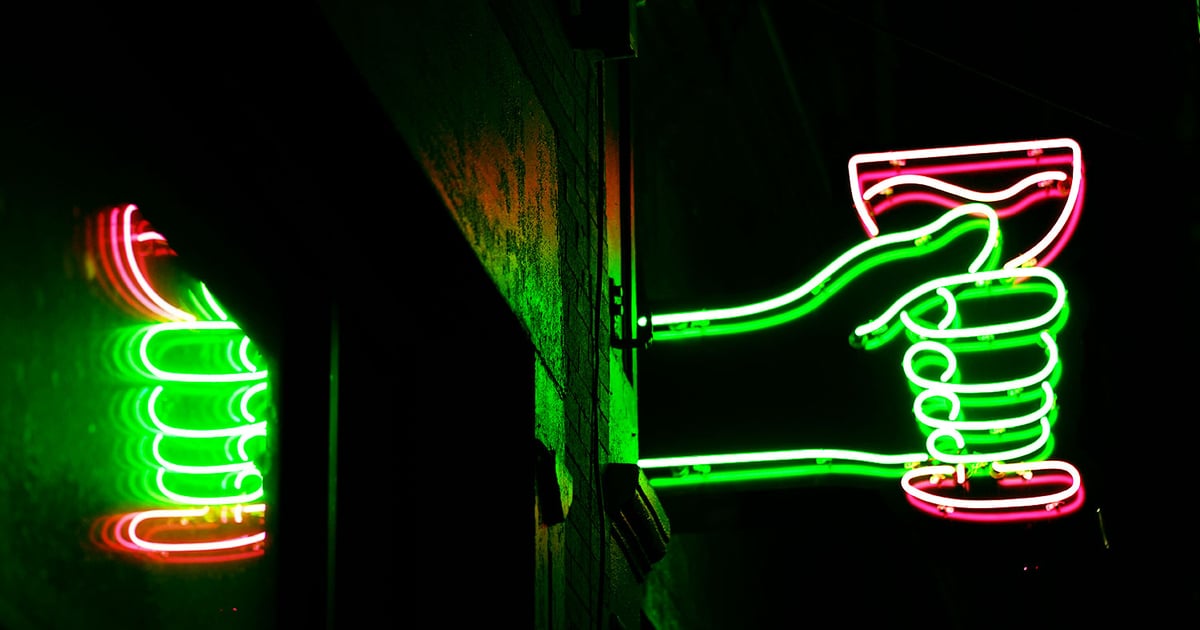
Some blocks on near 14th have been repainted and restored into apartments, new trim over the old brick, while others nearby still stand boarded over. On Main Street, the neon sign over still lights the sidewalk at night.
Shot in Over-the-Rhine
For Carol, the production dressed the corner of 12th and Walnut as a 1952 Manhattan street, with period cars and men in fedoras filling the block. Miles Ahead later used Music Hall for a rehearsal and dance scene. The neon sign over Mr. Pitiful's, a bar on Main Street, appears elsewhere in the same film.
Carol, 2015
Played a Manhattan street corner, New York, New York, 1952
The corner was dressed as a busy 1952 Manhattan street, with period cars and men in fedoras filling the block. The Germania Building, an 1877 insurance company headquarters faced in limestone and red brick with a statue of Germania above its Walnut Street door, stands on the same corner.
Soulard's brick rowhouses and flounder houses went up in the same decades by the same wave of German and Bohemian immigrants, with Italianate fronts and repeating cornices down narrow blocks. Its scale is close enough to Over-the-Rhine's own that a street of unaltered fronts can stand in directly. Soulard runs mostly two storeys against Over-the-Rhine's three and four, so a shot that needs taller tenement blocks should look elsewhere in the district. Try searching brick Italianate rowhouses now.
Walker's Point has Italianate and Queen Anne brick houses from the same building era as Over-the-Rhine, at a similar three storey scale with the same bracketed cornice work. The brick here runs cream colored rather than Over-the-Rhine's red and brown, so a wide shot needs a block chosen for darker or painted brick or the color will give it away. Try searching cream colored brick houses now.
Deutschtown in Pittsburgh, Pennsylvania
Deutschtown's brick rowhouses were built by the same wave of German settlement, with tall narrow fronts, decorative cornices and stoops close to Over-the-Rhine's own scale. The district is smaller and its streets climb Pittsburgh's hills, so a level block has to be chosen carefully to keep the grade out of a wide shot. Try searching German brick rowhouses now.